About Weaste Cemetery
The History of Weaste Cemetery
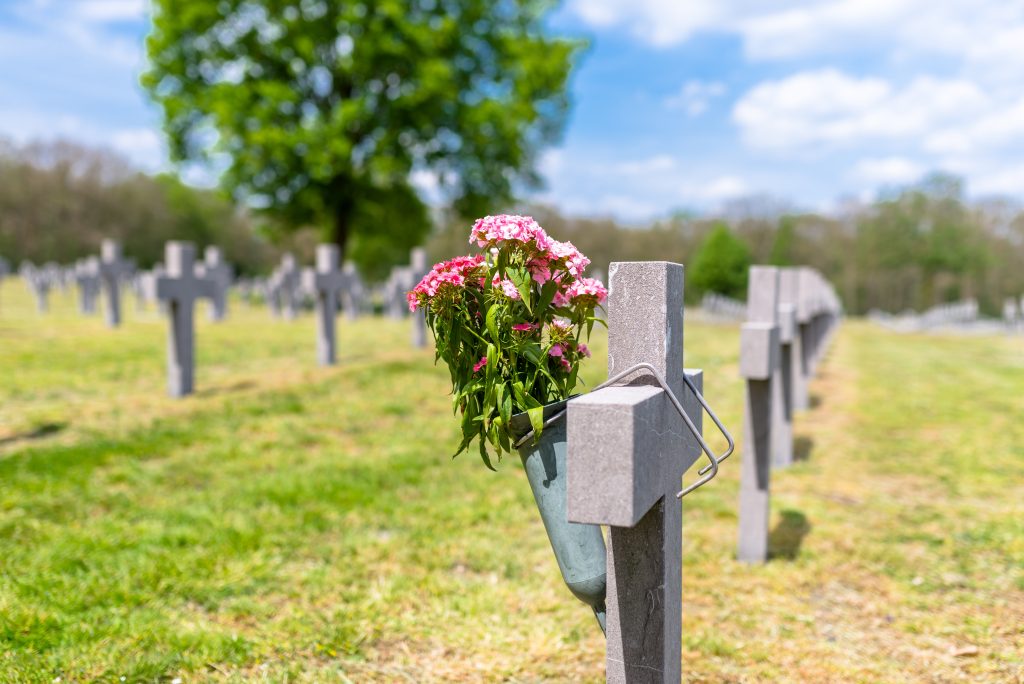
Weaste Cemetery was Salford’s first municipal cemetery. Before the cemetery opened in 1857 most burials took place in churchyards. Salford Corporation was one of the first municipal authorities to recognise that churchyards could no longer provide sufficient burial space and so the plans for Weaste Cemetery were made.
In the Victorian age cemeteries were considered to be amenities like parks and gardens and were usually designed in a similar way. Weaste Cemetery was no exception. The cemetery once boasted four chapels and a glazed summer house indicating that the intention was to offer a beautiful landscaped garden of rest where the visitor could escape the bustle of city life. The beautiful design made Weaste Cemetery the most desirable final resting-place for well to do Mancunians and Salfordians as is evidenced by the large ornate monuments in ‘Rich man’s plot’.
In 1888 a new portion was added, making Weaste Cemetery 39 acres in area. And to date, over 330,000 interments have taken place at the cemetery. These include Joseph Brotherton, a leading social reformer who became Salford’s first M.P; Sir Charles Hallé, the founder of the Hallé Orchestra; Mark Addy, a local hero who saved over 50 people from drowning in the River Irwell and four Crimean War veterans who rode in The Charge of the Light Brigade.
Explore the Cemetery
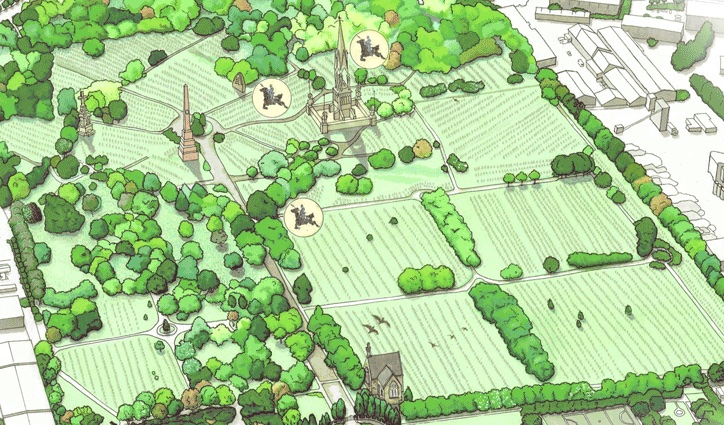
Within Weaste Cemetery you can find a wealth of interesting monuments. There are memorials to famous people as well as less well known people who nonetheless played their part in major events in our history. Click on the monuments and images of soldiers in the map below to find out more.
Ecology & Environment
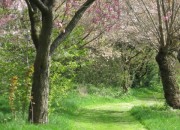
Just 1.5 miles from Salford Quays, Weaste Cemetery is a tranquil green oasis in an urban landscape. Within its 39 acres, a variety of beautiful trees and wild flowers create a haven for wildlife.
The grassland in the cemetery would once have reflected the traditionally managed meadows surrounding it. At Weaste the surrounding countryside has long since disappeared, but the grassland surviving in the cemetery today is an important relict meadow.
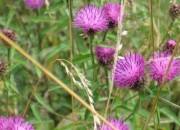
Because the majority of the grassland is unimproved by chemicals and has been managed as a grassland for at least as long as it’s been a cemetery (since 1857), a wider range of flowers can survive. Throughout the year you can already see: daisy, dandelion, creeping and meadow buttercup, lady’s smock (also known as cuckoo flower), bluebell, self-heal, thyme-leaved speedwell. Can you identify any others?
There is also a wide range of trees on the site. All these are important for a variety of birds, insects and even bats as important food sources, shelter and breeding grounds.
Weaste is not only important for the plants and animals that are able to survive here. The cemetery is one of the few remaining areas of greenspace left providing a stepping-stone for wildlife across built-up areas.
From time to time the Friends of Salford Cemeteries host Conservation Days at the cemetery. For more information please see our events page.
The Trail
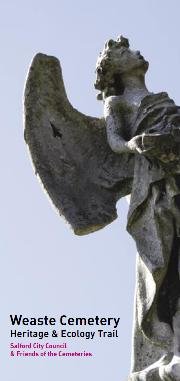
A Grade II listed Victorian Cemetery with six listed monuments within 39 acres of green space. From the inscriptions on the monuments to beautifully crafted sculptures, Weaste Cemetery contains the biography of our community.
With grassland untreated by chemicals since 1857 and woodland providing a habitat for butterflies and wild birds this is a real urban oasis.
Together with Salford City Council, the Friends of Salford Cemeteries Trust have developed a Heritage Trail at Weaste Cemetery. Within the grounds, a series of interpretation panels provide the visitor with information about:
- Joseph Brotherton, Salford’s first MP
- Sir Charles Halle, founder of the Halle Orchestra
- Mark Addy, the local hero
- Four survivors of the Charge of the Light Brigade
Book a Tour
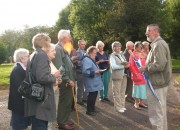
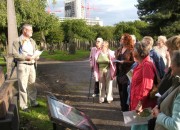
The Friends of Salford Cemeteries Trust are occasionally able to offer, by prior arrangement, tours of the cemetery for interested groups. If you are interested in booking a tour please contact us at:
[email protected] or telephone Pete Kilvert on 0161 748 3123 to discuss your requirements